
Mitochondrial dysfunction is increasingly recognized as a central factor in the pathogenesis of cardiovascular diseases (CVD), particularly in conditions such as heart failure, myocardial ischemia-reperfusion (I/R) injury, and cardiomyopathy. One of the most promising therapeutic peptides emerging from this field is SS-31, also known as elamipretide. Designed to selectively target mitochondria, SS-31 has demonstrated compelling […]
Melanotan II and Pigmentation: A Research Overview Melanotan II is a synthetic peptide that acts as an agonist at melanocortin receptors, primarily MC1R, and is known for its potent effects on pigmentation. It was initially developed as part of research into photoprotection and skin cancer prevention, due to its ability to stimulate melanin production in […]
Abstract Peptide-based therapeutics are gaining significant traction in endocrine and regenerative medicine. Among them, CJC-1295 and Ipamorelin stand out as potent Growth Hormone Secretagogues (GHS) that act through Growth Hormone-Releasing Hormone (GHRH) and ghrelin receptor pathways, respectively. Their synergistic potential to increase pulsatile GH release without elevating prolactin or cortisol has made them promising candidates […]
Abstract Musculoskeletal injuries—particularly those involving tendons, ligaments, and skeletal muscle—remain a significant burden in both sports medicine and orthopedic recovery. Among emerging therapeutic peptides, Thymosin Beta-4 (TB-500) has demonstrated promise in accelerating tissue repair, modulating inflammation, and promoting angiogenesis. TB-500 is a synthetic fragment of the naturally occurring 43-amino acid peptide Thymosin Beta-4, which plays […]
Abstract The search for pharmacological interventions capable of delaying age-associated molecular decay has intensified in recent decades. Among emerging candidates, N-Acetyl Epitalon Amidate (commonly referred to as Epithalon) has garnered significant attention due to its potential role in telomerase activation, circadian rhythm modulation, and systemic rejuvenation. Originally developed at the St. Petersburg Institute of Bioregulation […]
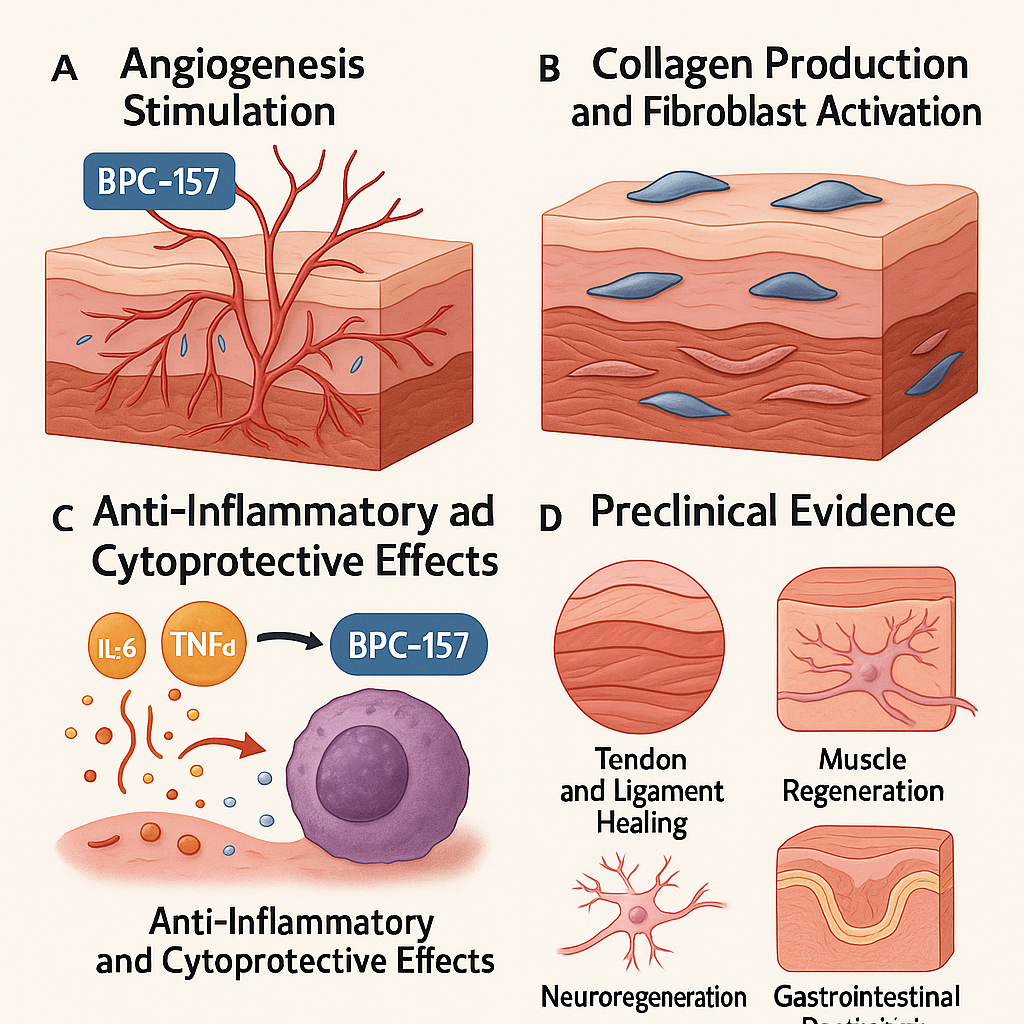
BPC-157: A Promising Peptide for Tissue Regeneration and Wound Healing Abstract BPC-157, a stable synthetic peptide derived from a protective protein found in gastric juice, has shown strong potential in promoting tissue regeneration and wound healing. Preclinical studies have demonstrated its ability to enhance angiogenesis, support collagen production, and modulate inflammation. This article reviews the […]
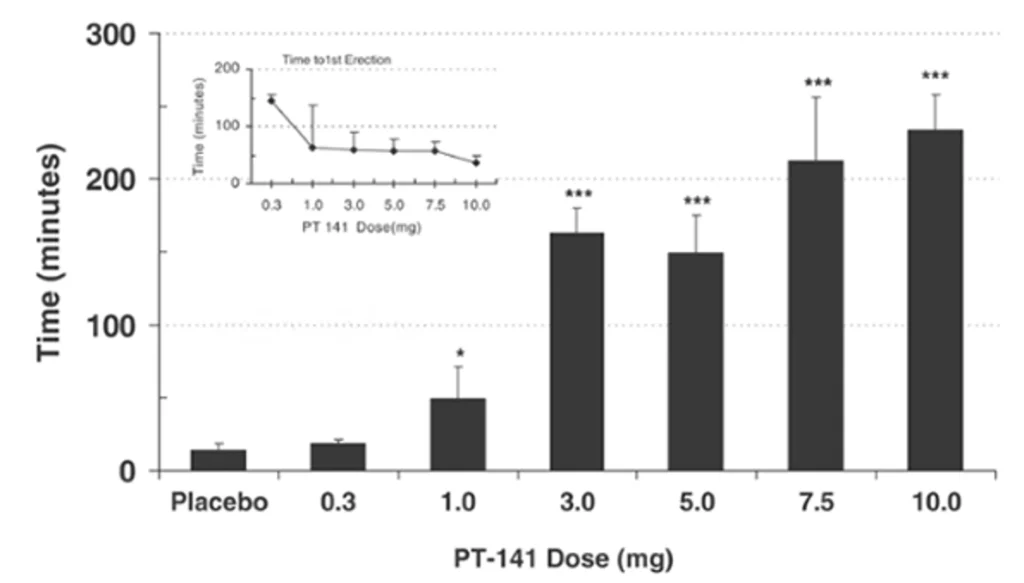
PT-141 and Sexual ArousalPT-141 is a unique peptide in that it stimulates the MC-4R, which is known to produce sexual arousal in the central nervous system and influence sexual behavior[1], [2]. Studies in mice have shown that agonist binding to MC-4R causes sexual arousal and increased copulation in both males and females[3], [4]. Because PT-141 […]
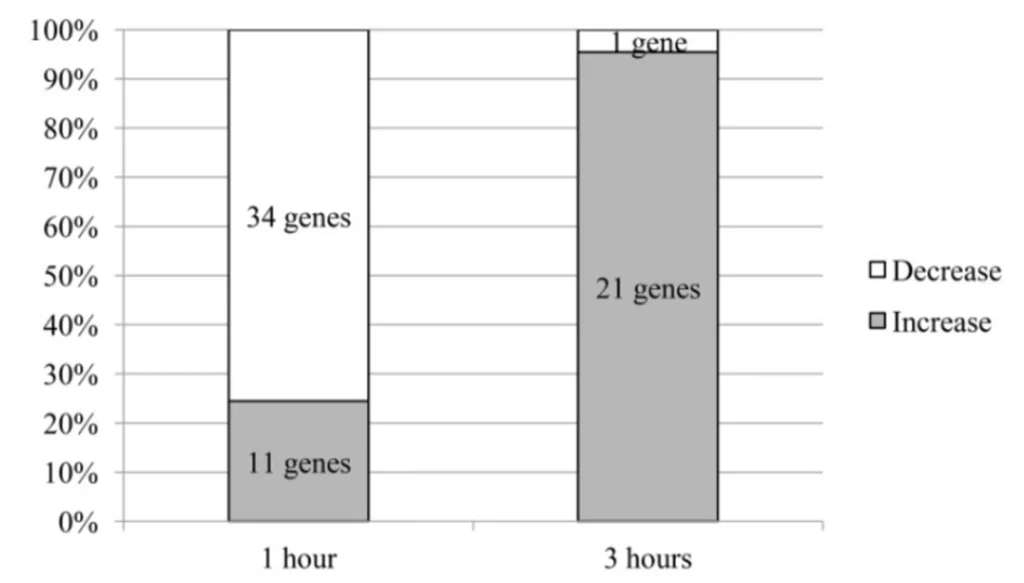
Selank Anxiety Effects Based on Genes Related to GABA NeurotransmitterAccording to Dr. Anastasiya Volkova of the Institute of Molecular Genetics in Russia, “numerous clinical studies have shown that Selank has strong antianxiety and neuroprotective effects in the treatment of anxiety. The clinical effects of Selank are similar to those of the classical antianxiety medications such […]
Pegylation is a process of attaching polyethylene glycol to another chemical compound. It is often done to reduce the body’s natural immune reaction to an agent or, as in the case of PEG-MGF, to increase the half-life of the compound in the blood by reducing clearance in the kidneys. Pegylation is common, safe, and has […]
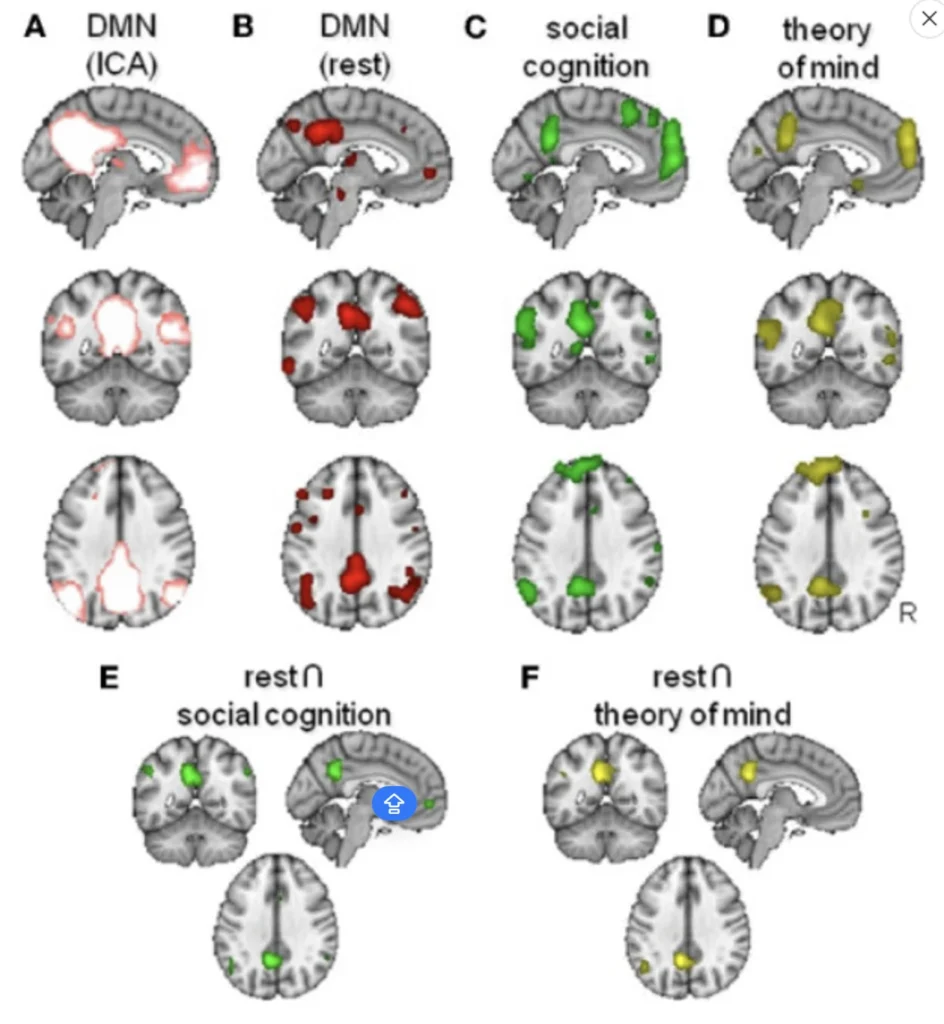
Semax Affects Resting Brain StructureFunctional magnetic resonance imaging has revealed that Semax boosts the function of what is called the default mode network[1]. The default mode network refers to brain areas that are more active during rest than they are during active task performance. This particular network is actually poorly understood, but recent research suggests […]