
CJC-1295 and Growth Hormone ReleaseAs a derivative of GHRH, it should come as no surprise that CJC-1295 promotes the release of GH. Studies show that a single dose of CJC-1295 increase GH levels in mice by 2-10 times. Peak GH levels are reached approximately 2 hours after administration and the effects last for about six […]
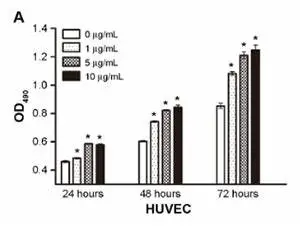
1. BPC-157 and Wound HealingThe natural function of BPC in the GI tract is to maintain the integrity of the mucosal barrier that protects underlying tissues from the harmful actions of gastric acid, bile, and other compounds necessary for digestion and absorption of nutrients from food. At least part of this function is mediated through […]
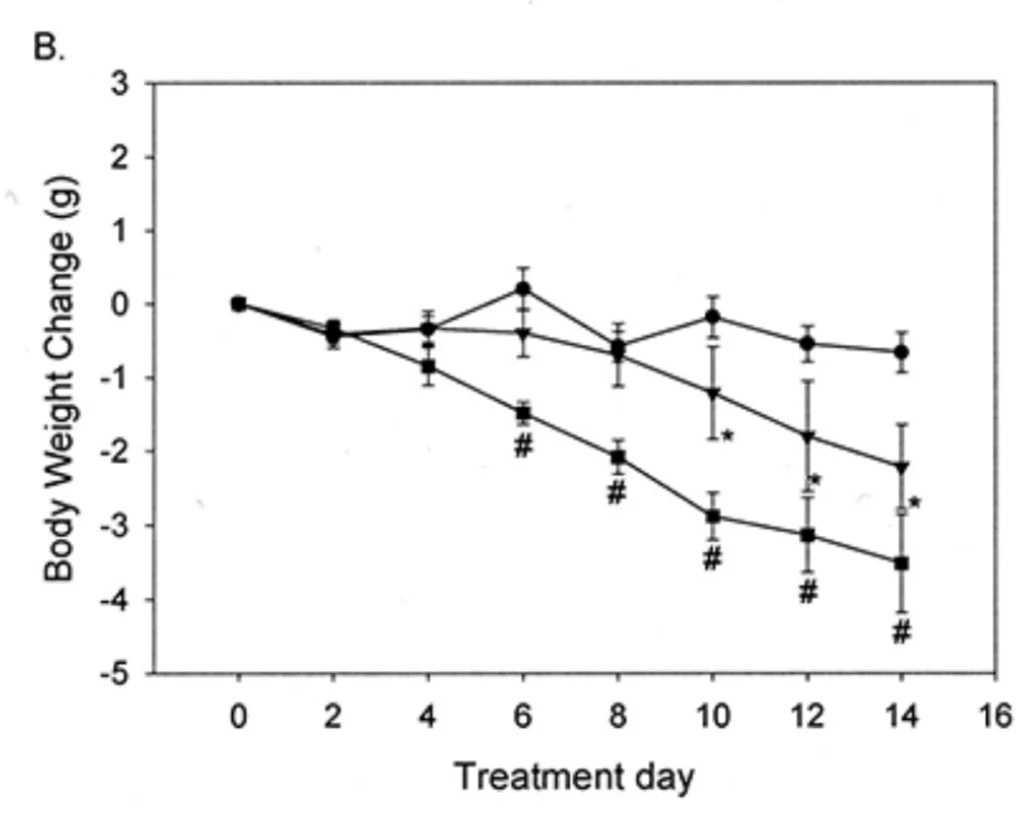
1. AOD9604 and ObesityAOD9604 was originally developed as an analogue of HGH with the express purpose of fighting fat. Phase 2b clinical trials were completed in Australia testing the drug in 300 obese individuals. The results of once daily administration of the peptide for 12 weeks showed that the drug tripled weight loss when compared […]
Palmitoyl Tetrapeptide was originally developed as a potential immunostimulatory and neurotrophic (can regrow nervous tissue) peptide. It is still under active investigation for its ability to encourage nerve healing, particularly after burns and tissue grafts [2]. Recently, interest in Palmitoyl Tetrapeptide has increased among researchers involved in trying to understand how extracellular matrix (ECM) growth […]
Matrixyl is a lipopeptide, a fatty acid mixed with amino acids. It is also considered to be a synthetic isomer (an isomer is a molecule that has an identical structure to another molecule but different atomic components). The active element in Matrixyl is called Micro-collagen – another peptide. Matrixyl stimulates the lower layers of the […]
SNAP-8 is a mimic of the N-terminal end of SNAP-25 which competes with SNAP-25 for a position in the SNARE complex, thereby modulating its formation. If the SNARE complex is slightly destabilized, the vesicle can not release neurotransmitters efficiently and therefore muscle contraction is attenuated, preventing the formation of lines and wrinkles The Benefits of […]
IGF-2 is a member of the insulin family of polypeptide growth factors that is involved in development and growth. It is an imprinted gene and is expressed only from the paternally inherited allele. It is a candidate gene for eating disorders. There is a read-through, INS-IGF2, which aligns to this gene at the 3′ region […]
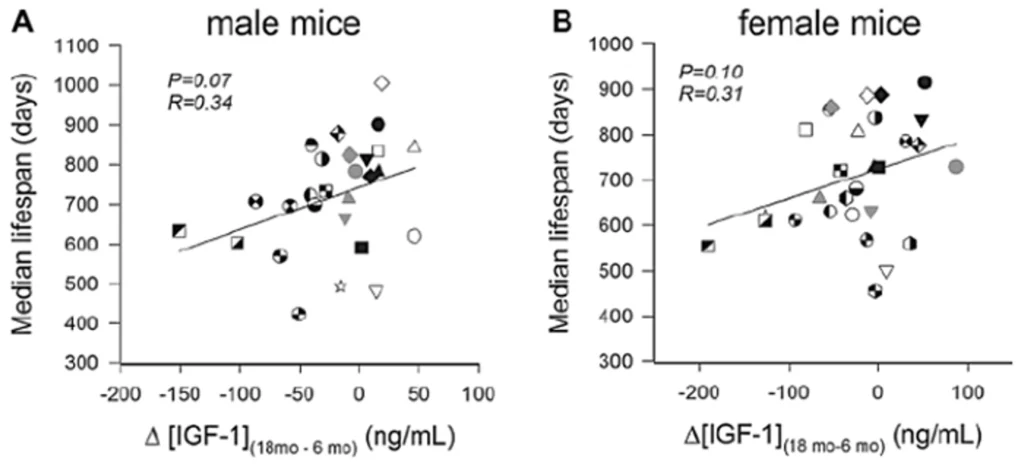
1. Promotes Cell DivisionLike IGF-1, IGF1-LR3 is a potent stimulus for cell division and proliferation. Its primary effects are on connective tissues like muscle and bone, but it also promotes cell division in liver, kidney, nerve, skin, lung, and blood tissues. IGF-1 is best thought of as a maturation hormone because it not only promotes […]
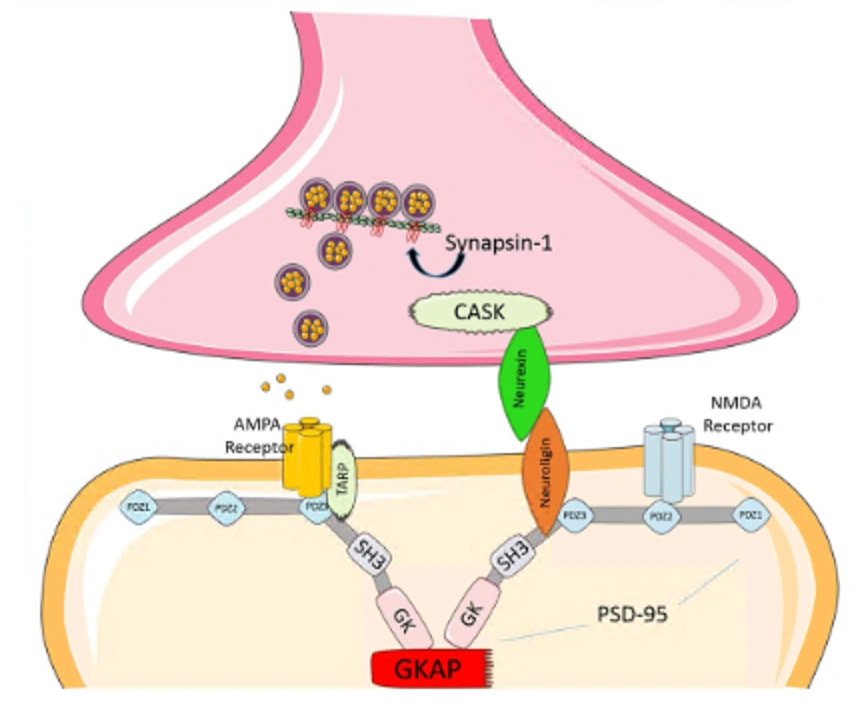
IGF-1 DES Is More Potent Than IGF-1IGF-1 DES is lacking just three amino acids from its N-terminal end, but that subtle change makes a big difference. Research shows that IGF-1 DES does not bind very well to IGF-1 binding proteins (IGFBPs) found in the blood and in various tissues throughout the body. The result is […]
Pal-GHK consists of a palmitic acid residue connected to a fragment of the elastin protein. This fragment, made of the amino acids glycine, histidine, and lysine, is sometimes referred to as GHK. GHK has been shown, in animal models, to stimulate fibroblast growth and reproduction, making if of particular interest for researchers interested in wound […]